Power & Charging Buying Guide: Chargers, Adapters & Surge Protectors
Power gear is the category where buying the wrong thing is expensive — a mismatched replacement charger can brick a vacuum, and a weak surge protector can let a spike through to everything on the strip. This guide covers how to match a replacement charger, what wattage and USB-PD actually mean for fast charging, and how to read a surge protector's joule rating.
Replacement chargers: match voltage, connector, and polarity
Three things must match on a replacement adapter: output voltage (V), the connector size and shape, and the polarity (center-positive is most common, but verify it). A voltage mismatch is what kills electronics — not the amps.
Amps (A) can be equal to or higher than the original. The device draws only the current it needs, so a higher-amp adapter is safe. A higher-voltage adapter is not — it will damage the device.
Brand-specific replacement adapters
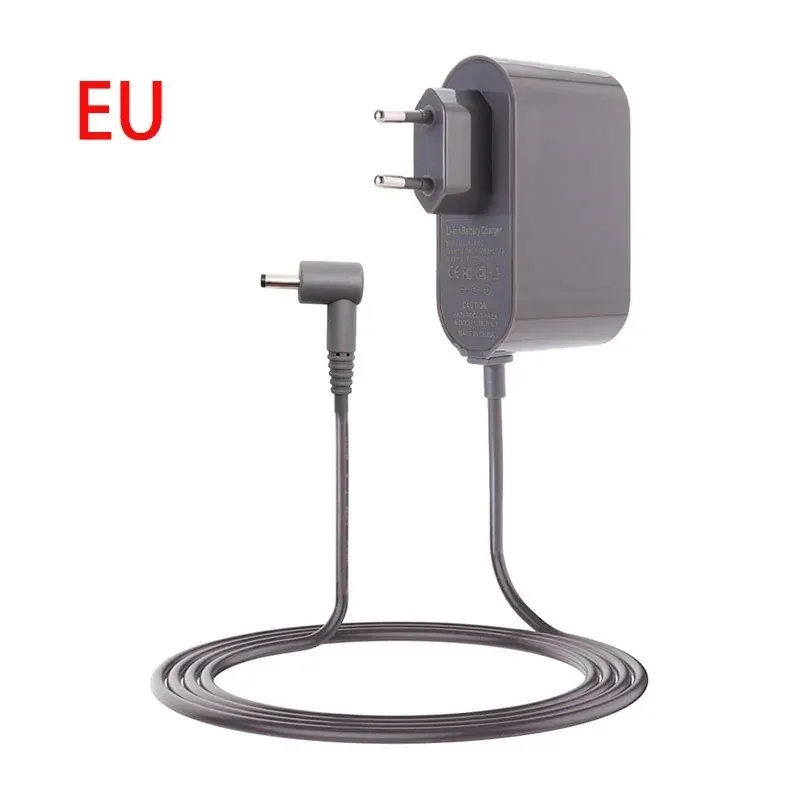
For devices like stick vacuums, match the exact model family and the listed output voltage. An adapter sold for a V10/V11/V12/V15 family is matched to that voltage and connector; a generic "universal" adapter with swap tips rarely matches both exactly.
Check the output voltage on the brick of your original adapter and match it. A 30V device run on a 24V adapter will undercharge or fail to charge at all; run on a higher voltage, it can be damaged.
USB-C PD chargers: watts equal speed
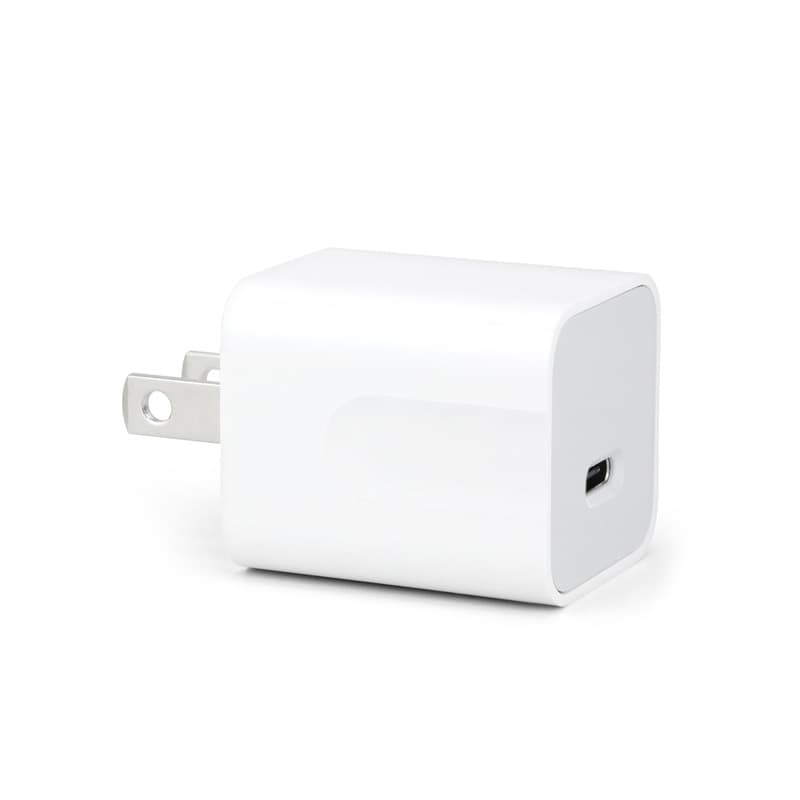
Power Delivery (PD) wattage sets how fast a device charges. A 24W PD adapter fast-charges a phone and tops up small tablets; laptops want 60W and up. Match the charger's PD wattage to what your device can pull.
More watts than your device needs is safe — it simply charges at the device's maximum rate and then stops. Less than your device can pull means slow charging. One good 30–65W PD adapter covers most of a household's small devices.
Surge protectors: read the joules
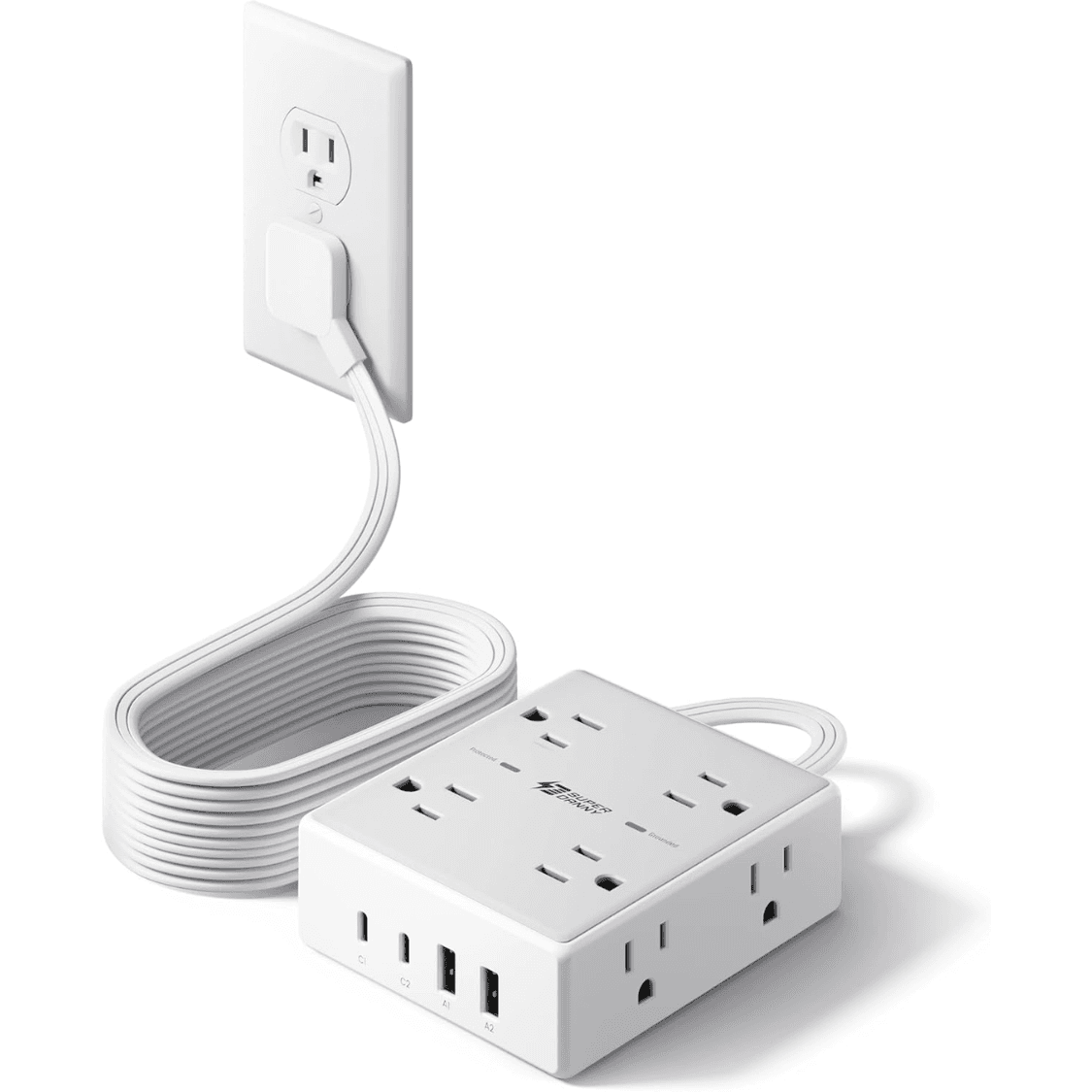
Joules are how much surge energy the strip can absorb over its life. Around 600 joules is entry-level, 1000+ is good for a home office, and 2000+ for expensive gear like a TV or desktop. More outlets and USB ports are convenience; the joule rating is the actual protection.
Surge protectors wear out — every absorbed surge reduces capacity, and they degrade over years. Plan to replace them every few years, or after a known major surge event. A power strip with no joule rating is not a surge protector at all.
What to skip
Skip chargers with no listed output voltage or polarity, surge "protectors" with no joule rating (they are just power strips), and dirt-cheap no-name adapters for expensive devices. The few dollars saved are not worth the device they power.
On a surplus deal, the price is the upside and the risk is fitment — the exact voltage and connector. Confirm those two before the discount tempts you.
Shop surplus power deals
Brand-new overstock, up to 60% off retail. Limited stock — when it is gone, it is gone.
Browse surplus power →Surplus power in stock
Grab these before they sell out.
Frequently asked questions
Can I use a charger with higher amps than the original?
Yes. The device draws only the current it needs, so a higher-amp charger is safe. Voltage must match, though — a higher voltage will damage the device.
What wattage USB-C charger do I need?
Phones and small devices: 18–30W. Tablets: 30–45W. Laptops: 60–100W and up. A charger rated higher than your device's max draw is safe and future-proofs you.
How many joules should a surge protector have?
600+ for basic gear, 1000–2000 for a home office or TV, 2000+ for expensive electronics. No joule rating means it is a power strip, not a surge protector.
Do surge protectors wear out?
Yes — every absorbed surge reduces capacity, and they degrade over years. Replace them every 3–5 years, or after a major surge event, even if they still power on.