LED Home Lighting Buying Guide
Switching to LED is the easiest home upgrade that pays for itself — LEDs use a fraction of the electricity of incandescents and last years longer. But the labels are confusing if you grew up shopping by wattage. This guide explains how to read LED lighting so you buy the right brightness, color, and type for each room.
Lumens, not watts
Watts measure electricity used, not brightness. With LEDs, a 9-watt bulb can be as bright as an old 60-watt bulb. The number to shop by is lumens, which measures light output.
A rough guide: about 450 lumens replaces a 40W bulb, 800 lumens replaces a 60W, and 1600 lumens replaces a 100W. When a box only leads with wattage, flip it over and find the lumen rating — that is the number that tells you how bright it actually is.
Color temperature (kelvins)
Color temperature is measured in kelvins (K) and it changes how a room feels. 2700K is warm white — the cozy, yellowish light of an old bulb, good for living rooms and bedrooms. 4000K is neutral white — clean and alert, good for kitchens and offices. 5000K and up is daylight — bright and blueish, good for garages and detail work.
Mixing temperatures in one room looks off, so pick a temperature per space and stay consistent. Warm for relaxing rooms, neutral for working rooms.
Smart vs standard bulbs
Smart bulbs connect to Wi-Fi or Bluetooth so you can dim, change color, set schedules, and control from an app or voice assistant. They are great if you want scenes, automation, or to control lights when you are away. They cost more and add setup complexity.
Standard (non-smart) LEDs are simpler, cheaper, and last just as long. If you just want light that turns on with a switch, standard is the better buy. Dimming note: to dim a standard LED you need a dimmer switch rated for LED, otherwise it flickers or buzzes.
Color rendering (CRI)
CRI (color rendering index) measures how accurately a light shows colors compared to daylight, on a scale to 100. A CRI of 80 is fine for most rooms. For spaces where color matters — makeup vanities, art studios, reading paint swatches — look for 90 or above. Most cheap LEDs are 80; the difference is only visible side by side in color-critical tasks.
What to buy per room
Living room and bedroom: 2700K, 800 lumens, standard bulbs, CRI 80+. Kitchen and bathroom: 4000K, 800–1100 lumens, CRI 90 in the bathroom for grooming. Garage and workspace: 5000K, 1600+ lumens. Accent and under-cabinet: LED strips, match the room temperature.
Shop surplus lighting deals
Brand-new overstock, up to 60% off retail. Limited stock — when it is gone, it is gone.
Browse surplus lighting →Surplus lighting in stock
Grab these before they sell out.
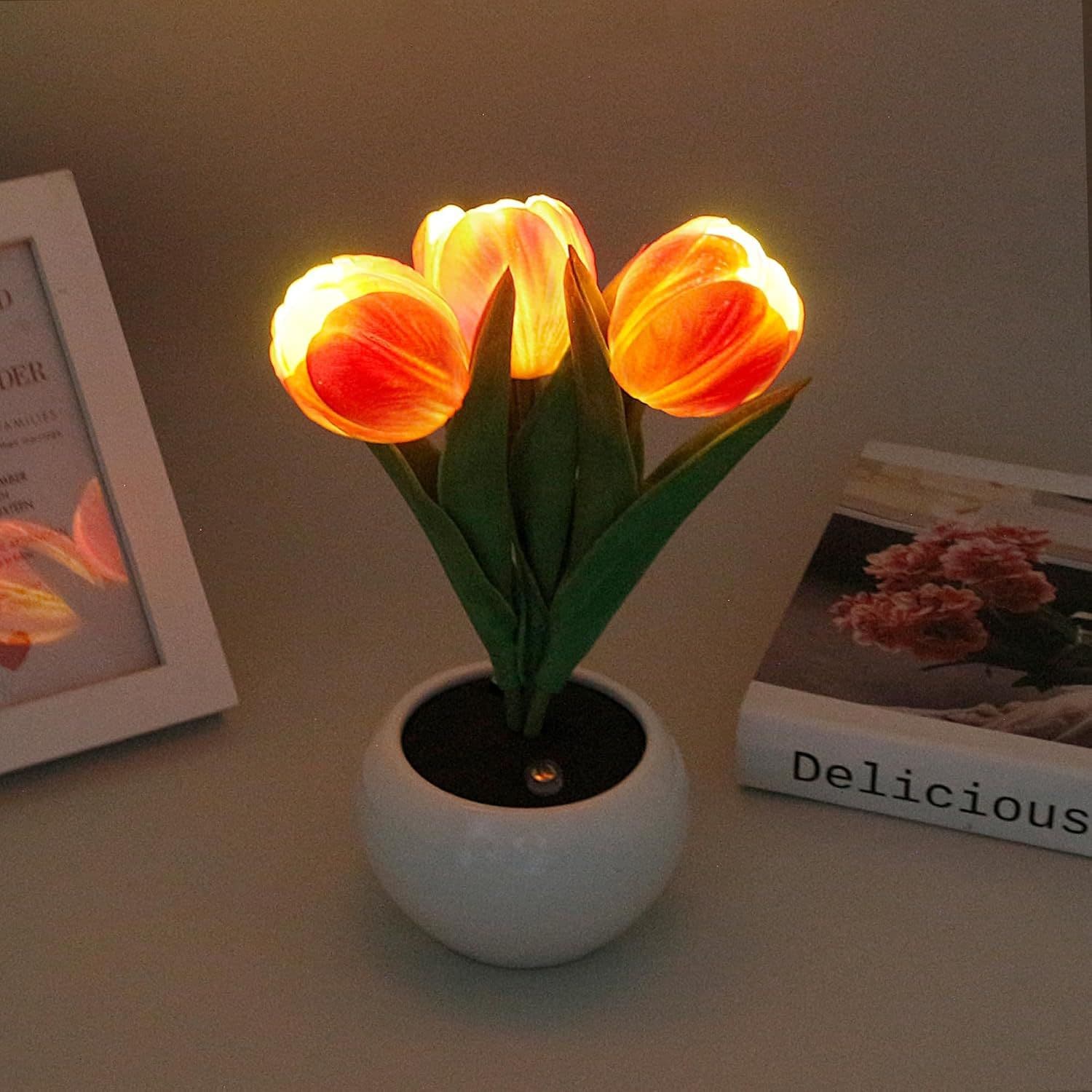
LED Tulip Table Lamp with Flower Vase — Desktop Decor
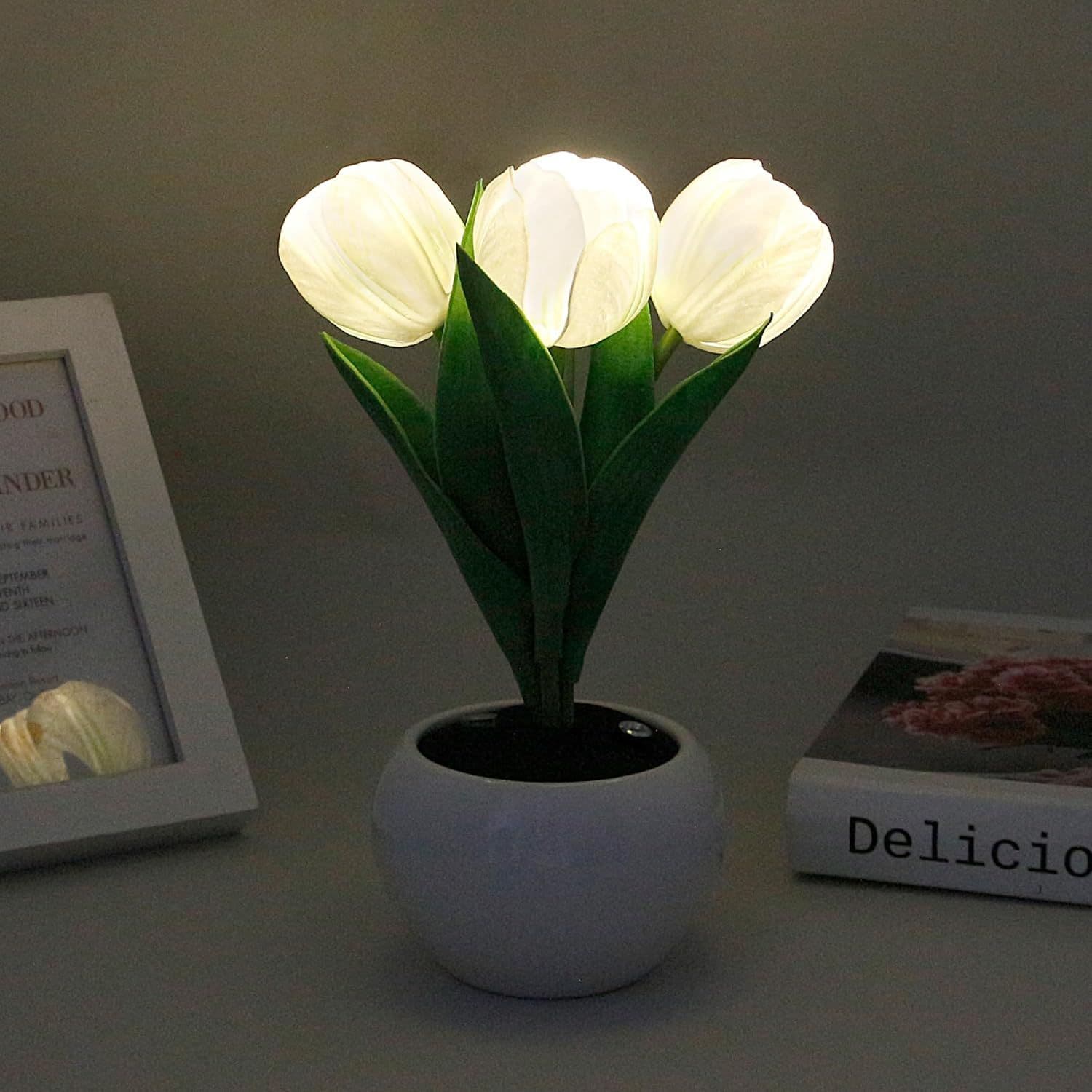
LED Tulip Night Light String for Vases — 3-Head Decorative
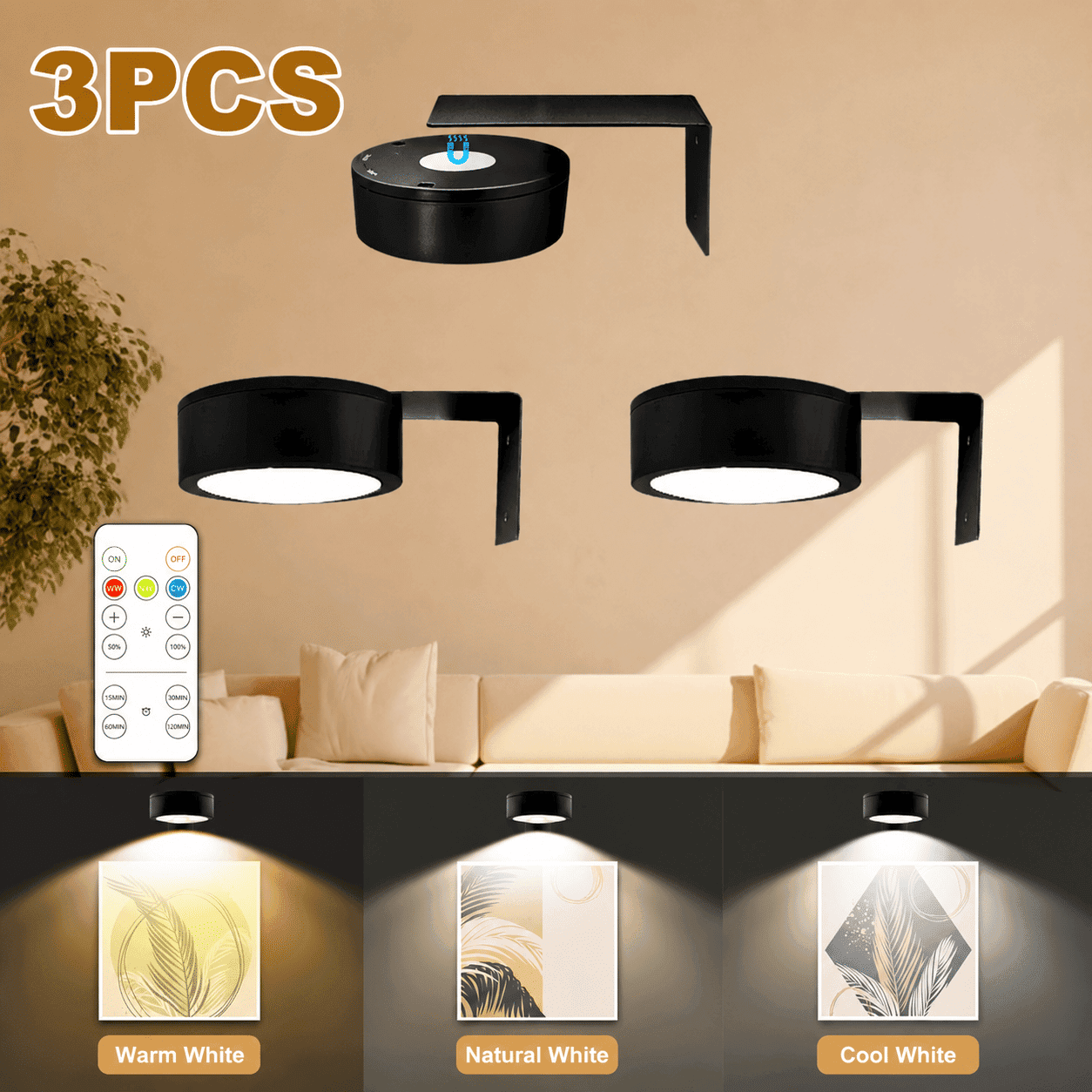
Battery-Powered Magnetic Picture Light — 3 Colors, Dimmable
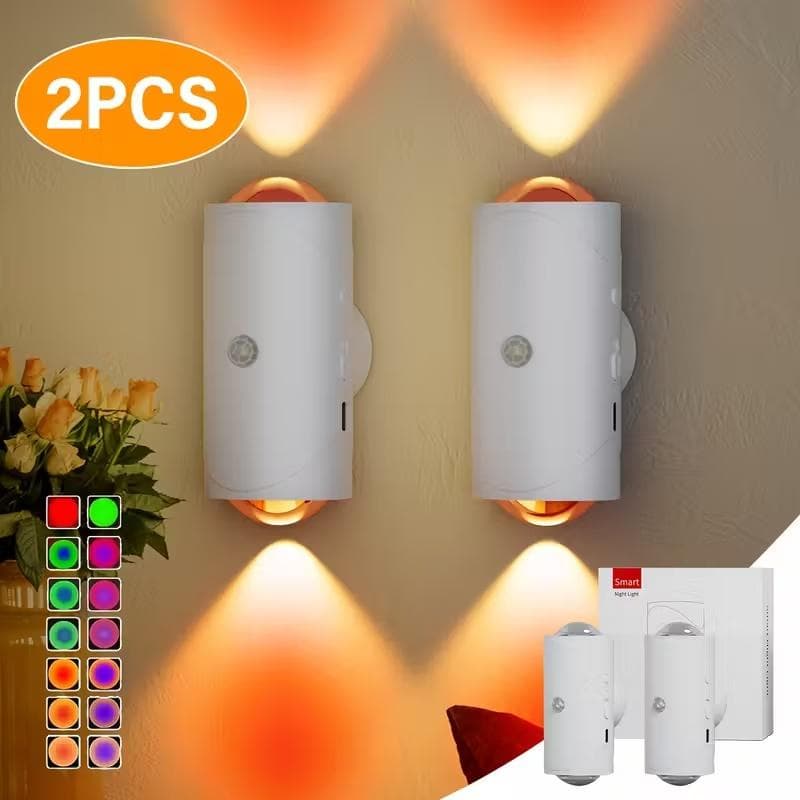
Rechargeable Motion-Sensor LED Night Light (Magnetic, RGB)
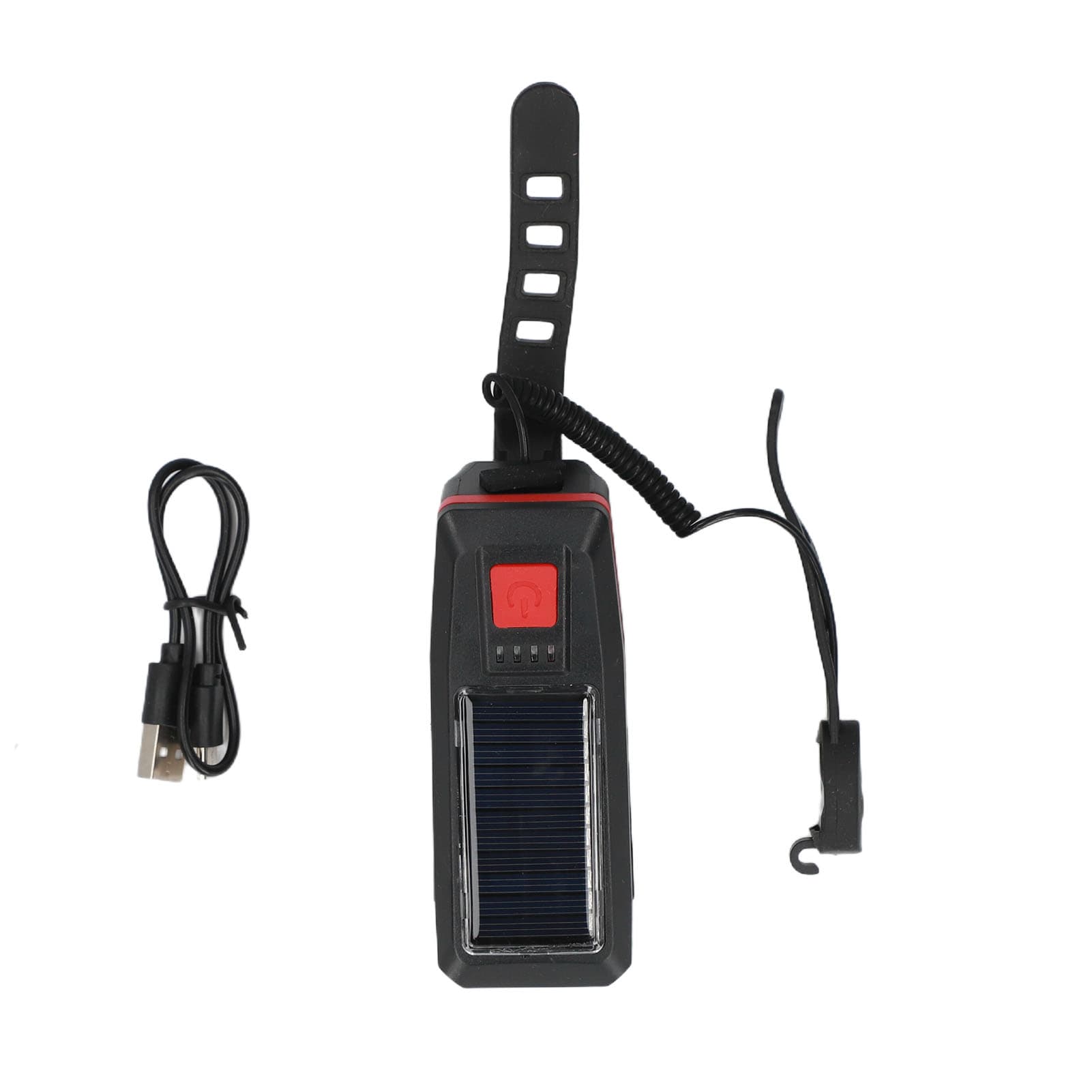
Solar-Powered Bike Light & Horn — Rechargeable, Night Riding
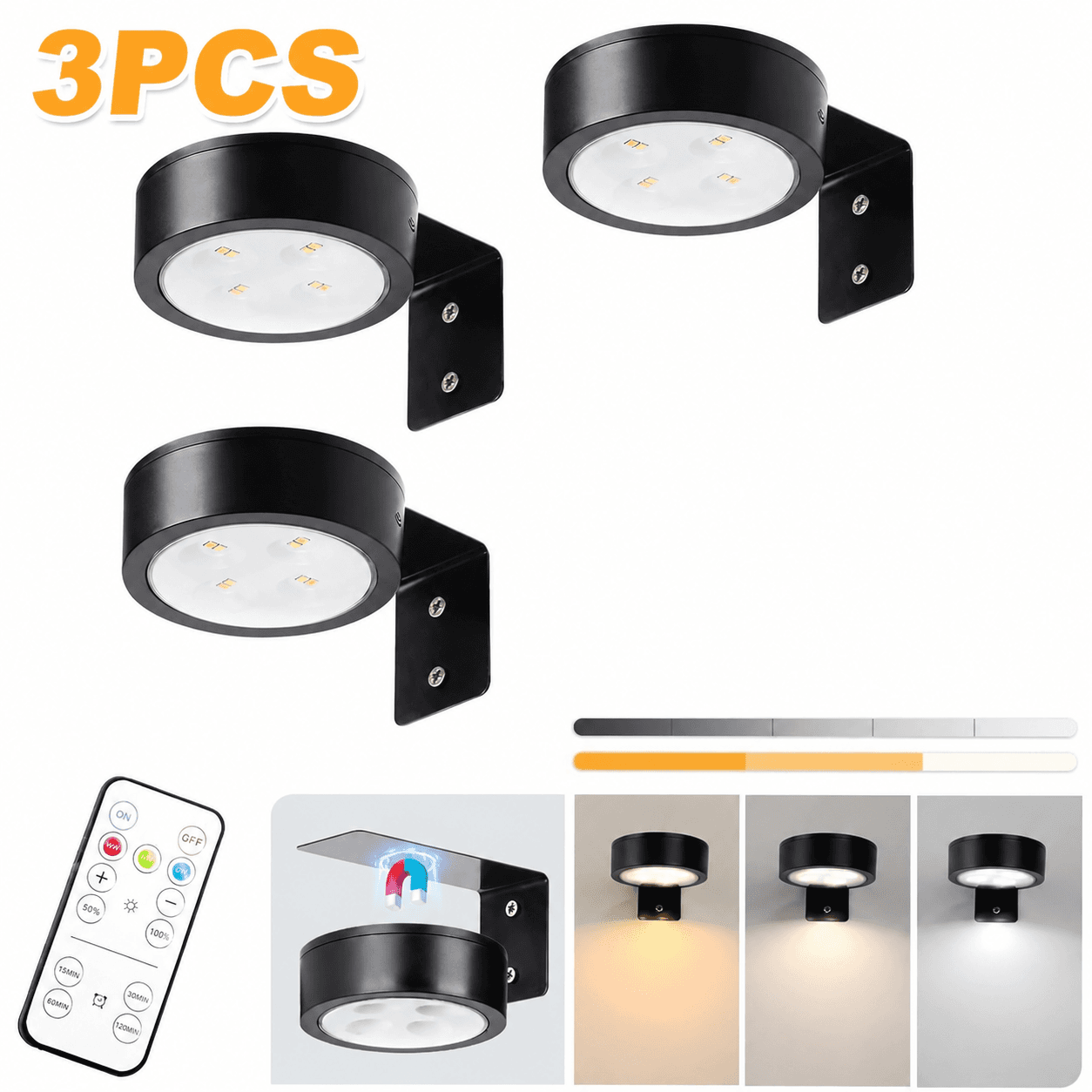
Battery-Operated Magnetic Art Display Light — 3 Modes, Remote
Frequently asked questions
How many lumens do I need per room?
A useful rule of thumb is to multiply room square footage by 10–20 lumens for ambient light. A 100 sq ft bedroom wants about 1000–2000 lumens total, spread across fixtures.
What color temperature is best for bedrooms?
2700K warm white. The warm tone signals evening and helps you wind down; cooler daylight tones near bedtime can disrupt sleep.
Do LED strips use a lot of power?
No — LEDs are efficient across the board, and strips are typically a few watts per foot. Even a long under-cabinet run costs pennies per day to run.
Are smart bulbs worth it?
If you want scenes, schedules, or remote control, yes. If you just want a light that works from a wall switch, standard LEDs are cheaper and simpler.