Home Cooling Buying Guide: Portable Fans & Cooling Bedding
A good portable fan and the right bedding can make a hot room bearable without running the AC all night. The category looks simple — blow air, sleep cool — but the specs that actually determine whether a fan cools a room or just whirs in the corner are buried. This guide covers what to check on portable fans and cooling pillowcases so a surplus cooling deal performs.
What actually cools a room
Airflow — not motor watts — is what cools you. A high-RPM small fan can move less air than a slower, larger one. For a desk you want a focused beam; for a whole room you want volume.
Noise matters more than people expect at night. A fan that cools on high but is too loud to sleep with is really only a daytime fan. Look for multiple speed settings so you have a quiet low.
Portable fan specs that matter
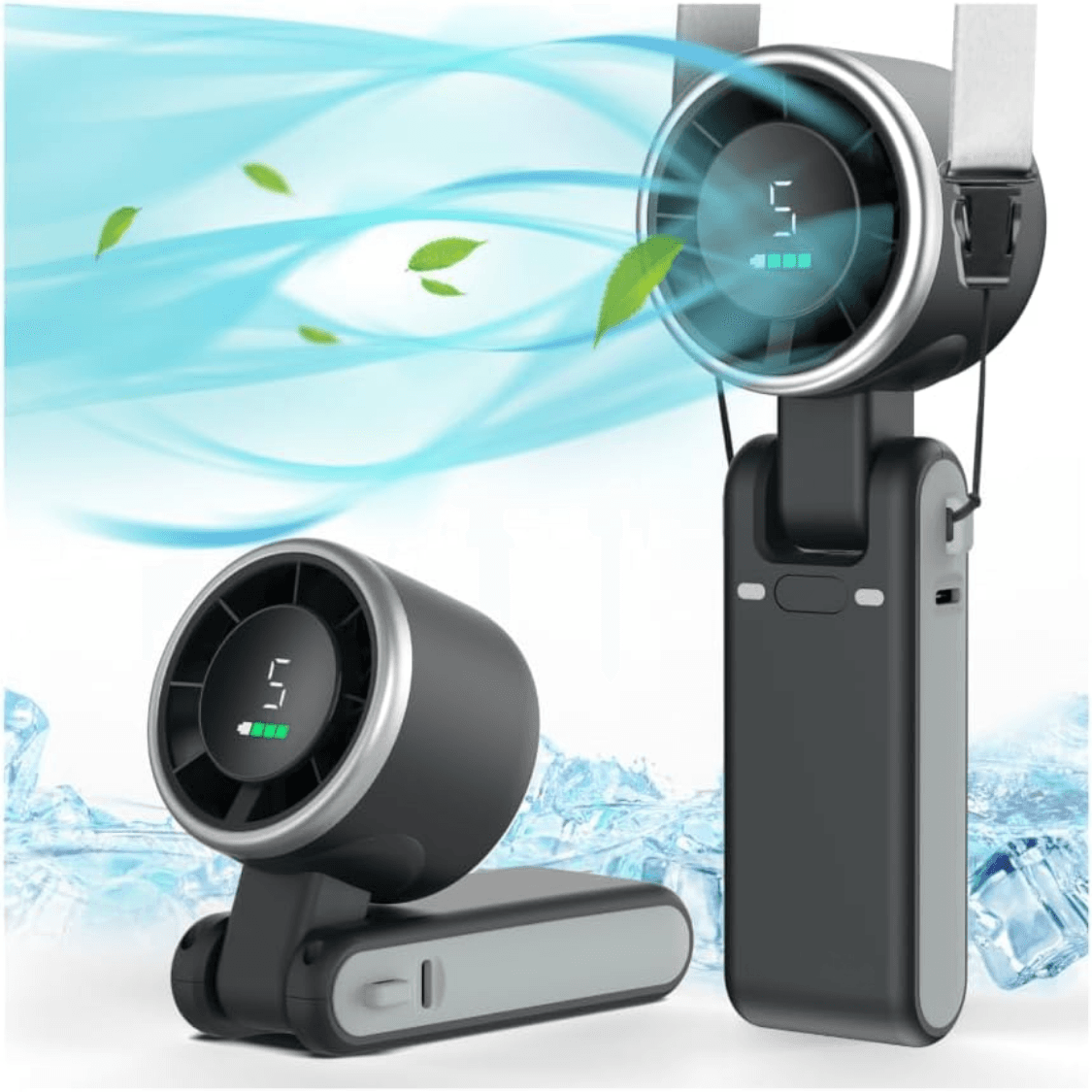
For a USB-rechargeable fan, runtime on a charge and recharge time are the real spec. A 12-hour runtime covers a full night; a 5-speed fan gives you a low setting for sleeping and a high setting for the afternoon.
If the listing names neither runtime nor speeds, you are buying on faith. On a surplus deal, those two numbers tell you whether the fan is usable overnight or only as a desk novelty.
USB-C vs older charging
USB-C is the modern standard — it charges faster and reuses the charger you already carry for your phone. Older USB-micro fans work but need a separate, fading cable and often charge slowly.
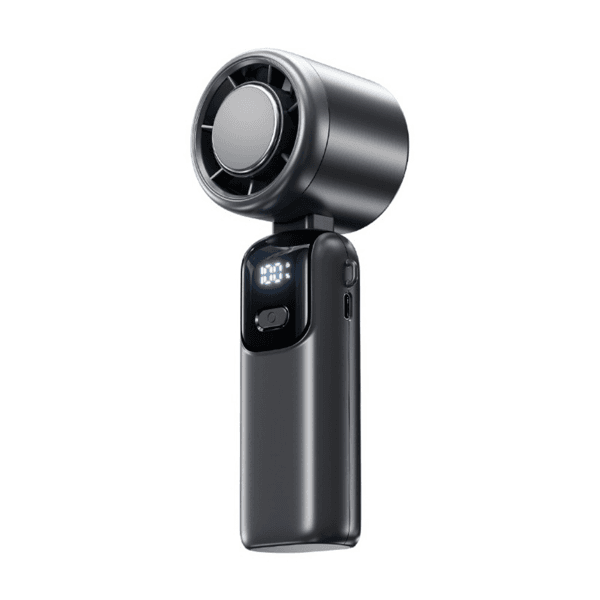
A fan that runs off a USB-C power bank is useful beyond the outlet: porches, outages, camping, and travel. That portability is what makes a handheld turbo fan worth owning over a plug-only desk fan.
Cooling pillowcases and bedding
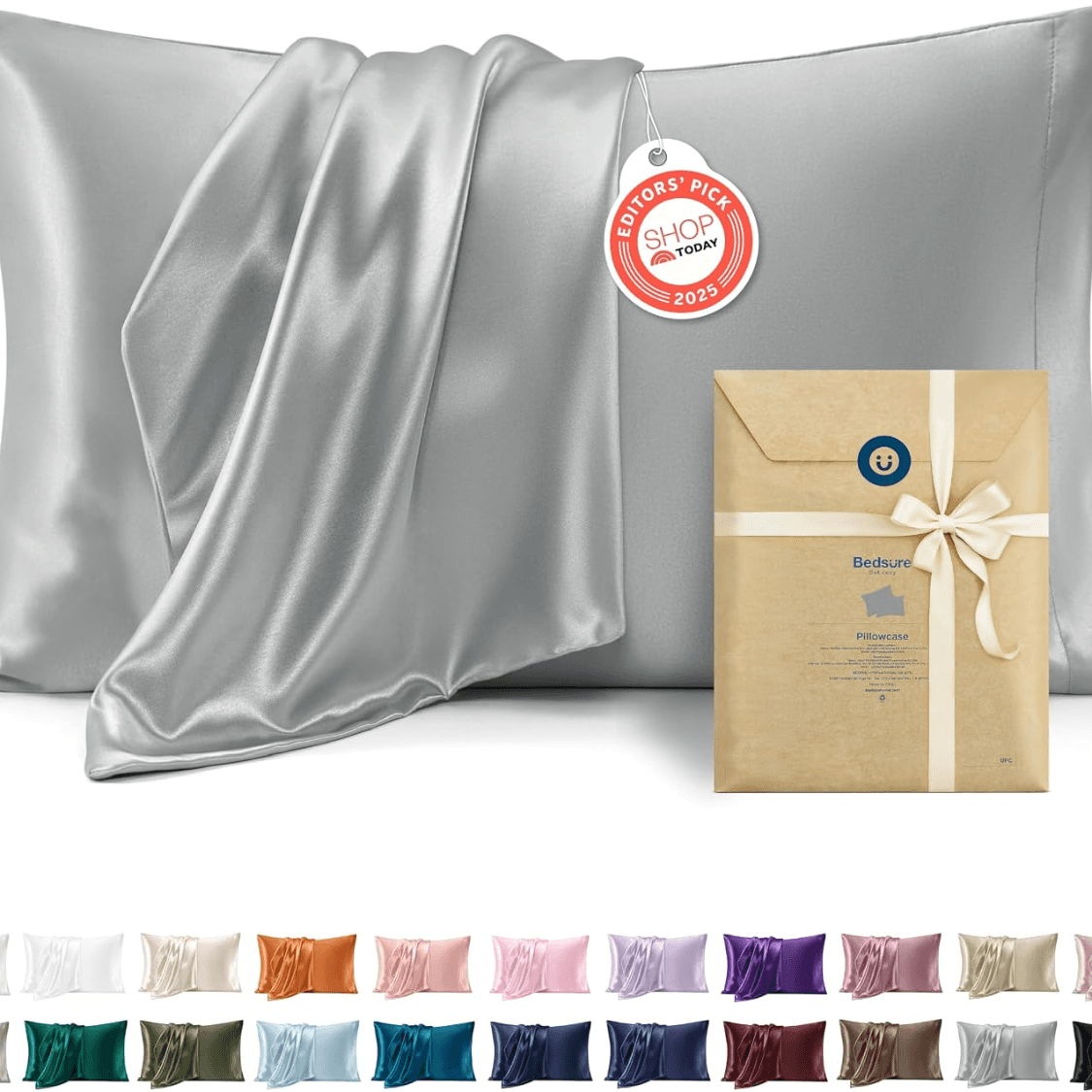
Satin and certain smooth weaves feel cooler because the smooth surface traps less heat than rough cotton against your face. "Cooling" claims are real but modest — expect a cooler touch on a hot night, not a refrigerated pillow.
Look at the stated fabric and the closure style. An envelope-closure pillowcase stays put and looks tidy; the fabric (satin or a satin-weave blend) is what delivers the cool-touch feel.
What to skip
Skip fans sold only on "turbo" branding with no airflow, runtime, or speed spec, and "cooling" bedding with no stated fabric or weave. The marketing word is not the spec.
A surplus fan is a good deal only if it runs long enough and quiet enough to actually use. Check the numbers, not the name.
Shop surplus home deals
Brand-new overstock, up to 60% off retail. Limited stock — when it is gone, it is gone.
Browse surplus home →Surplus home in stock
Grab these before they sell out.
Frequently asked questions
How much runtime do I need in a portable fan?
For overnight use, look for 8–12 hours on a low setting. A fan that dies at 3 a.m. is not a cooling solution. Check the runtime at the setting you will actually use, not the maximum.
Is USB-C worth it on a fan?
Yes — it charges faster, reuses modern chargers, and runs off most power banks. USB-micro fans work but need a separate cable and often charge slowly.
Do cooling pillowcases really work?
They sleep cooler than standard cotton thanks to the smooth weave, but they do not actively chill. Expect a noticeably cooler touch on hot nights, not a temperature drop you can measure.
What fan size do I need?
For a desk or bedside, a compact turbo fan on a focused setting is enough. For a whole room, prioritize airflow volume over size — a small loud fan rarely cools a room.